Hear from Some of Our Excellence and Odyssey Awardees
The following awardee videos were funded by the Foundation, and produced in partnership with Health Resources in Action and In the Car, and supported by science communication training provided by COMPASS.
Excellence Awardees
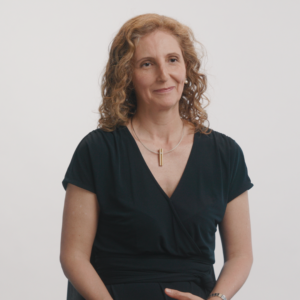
Cristina Aguayo-Mazzucato, MD, Ph.D.
2021 Excellence Awardee
Assistant Professor of Medicine, Harvard Medical School
Assistant Investigator, Joslin Diabetes Center
Dr. Ana Fiszbein studies gene regulation, focusing on a process called RNA splicing, which works like editing a film to ensure cells keep the right RNA “scenes,” which work together to make proteins. Her team discovered that splicing can change where a gene starts, opening the door to new ways to switch genes on. She hopes this discovery will help prevent cancer in people born with only one working copy of certain genes.
Solving the DNA Packing Puzzle Inside Our Cells
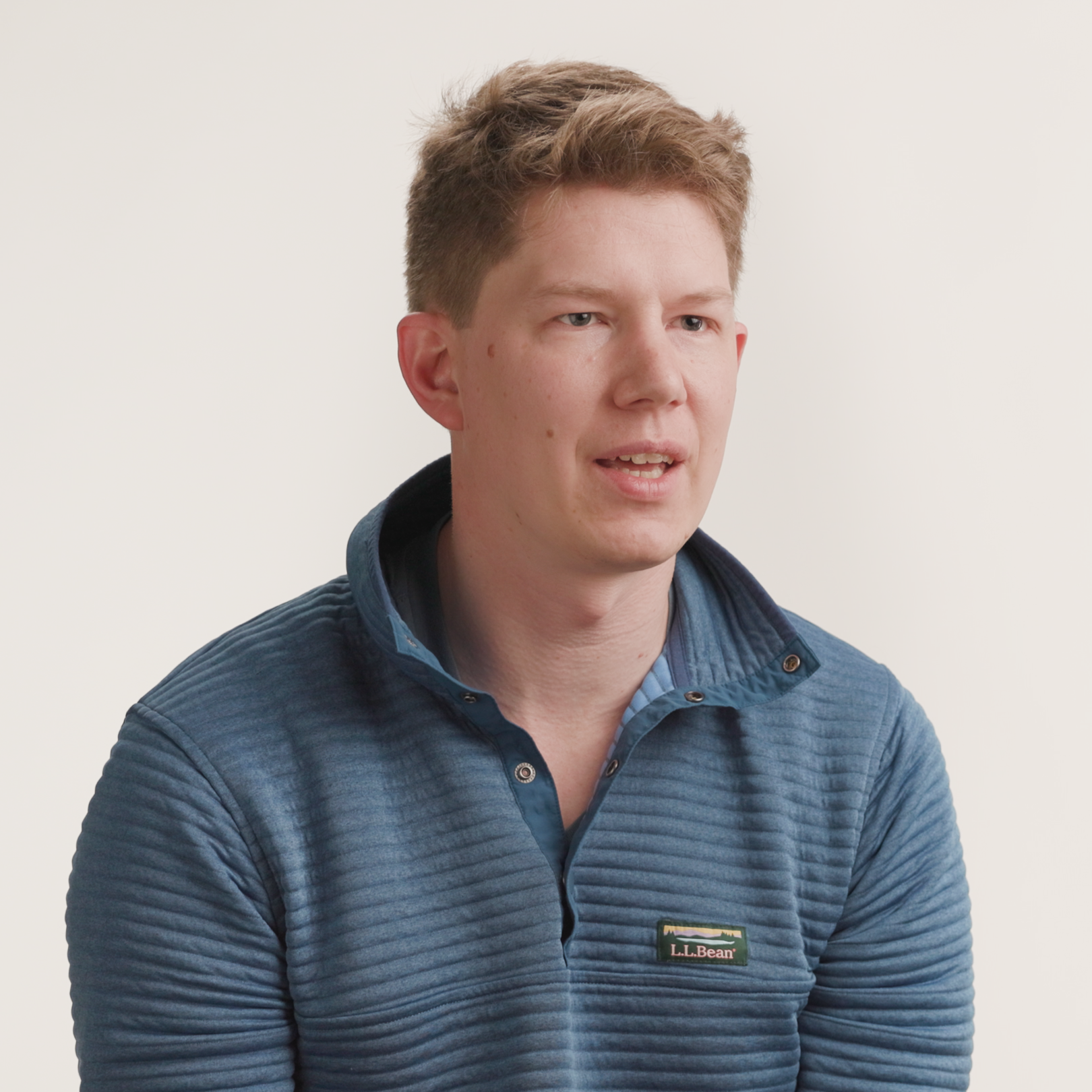
Lucas Farnung, Ph.D.
2022 Excellence Awardee
Assistant Professor of Cell Biology, Harvard Medical School
Dr. Lucas Farnung investigates how cells manage to pack six feet of DNA into the tiny space of the nucleus while still allowing molecular machines to access and read it. His lab studies what happens when this process goes wrong, leading to diseases like cancer or neurodevelopmental disorders. By visualizing these molecular machines in action, he aims to reveal new drug targets and deepen our understanding of how life is organized.
Gene Splicing Breakthroughs for Cancer Prevention
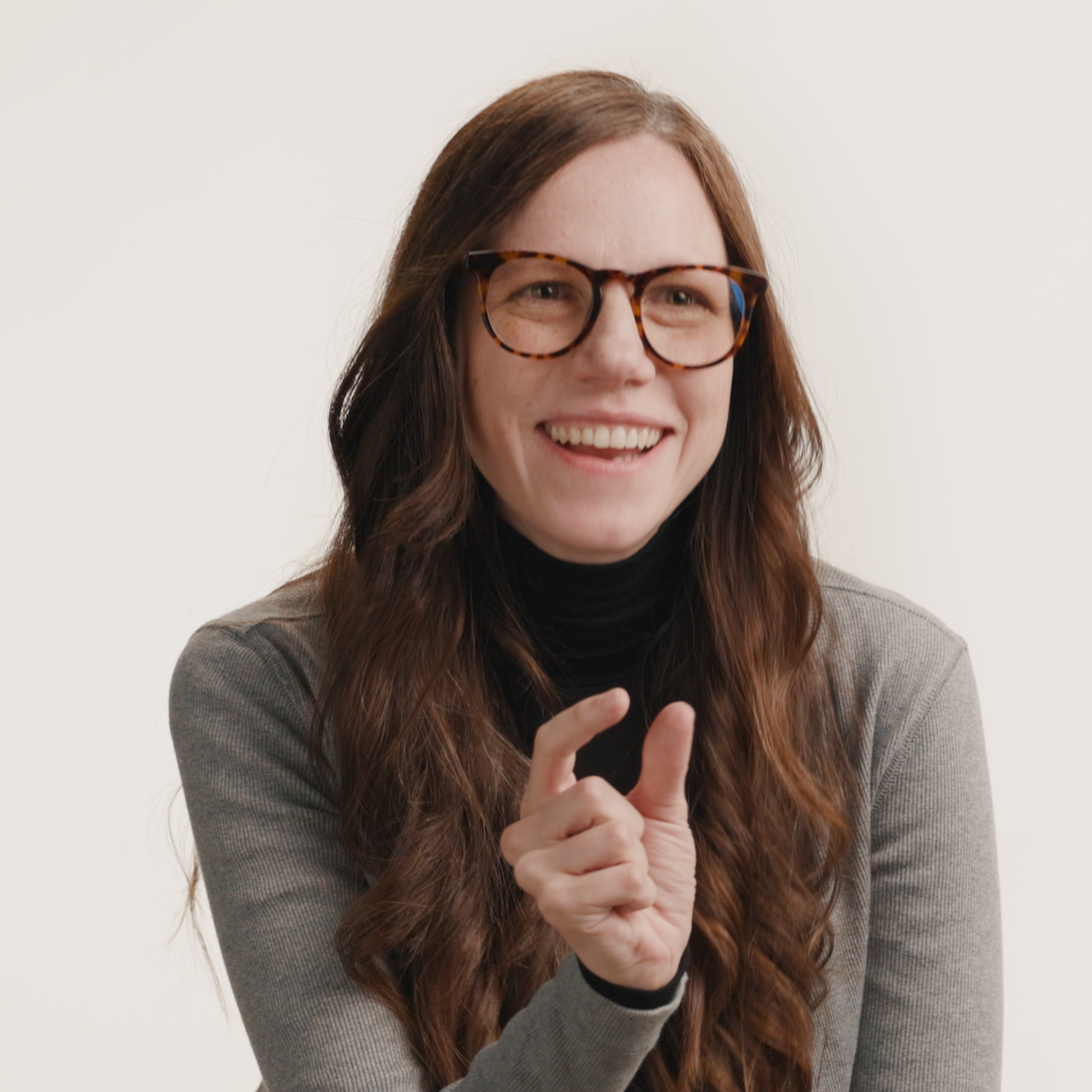
Ana Fiszbein, Ph.D.
2022 Excellence Awardee
Assistant Professor of Biology, Boston University
Dr. Ana Fiszbein studies gene regulation, focusing on a process called RNA splicing, which works like editing a film to ensure cells keep the right RNA “scenes,” which work together to make proteins. Her team discovered that splicing can change where a gene starts, opening the door to new ways to switch genes on. She hopes this discovery will help prevent cancer in people born with only one working copy of certain genes.
Rethinking Antibiotic Resistance from the Ground Up
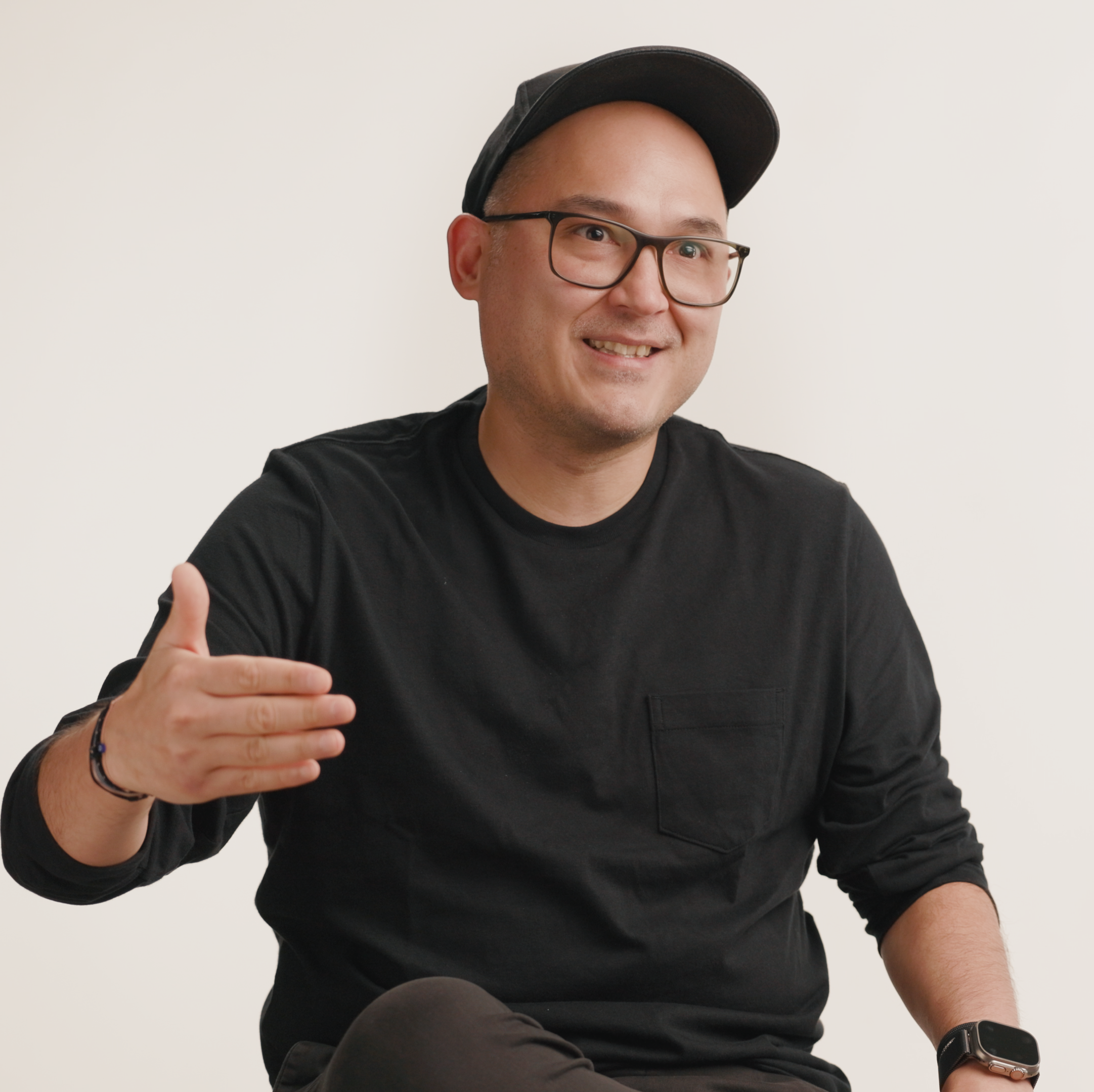
Josué Flores Kim, Ph.D.
2023 Excellence Awardee
Assistant Professor, University of Massachusetts Chan Medical School
Dr. Josue Flores Kim studies how bacteria grow, divide, and evolve resistance to antibiotics—drugs that have saved countless lives but are becoming less effective. Instead of making new versions of old antibiotics, his lab investigates the forces and mutations that let bacteria outsmart treatments. By understanding these processes, he hopes to stop resistance before it starts and help spark the next generation of lifesaving antibiotics.
Investigating the boundaries of biology by observing shapeshifting parasites
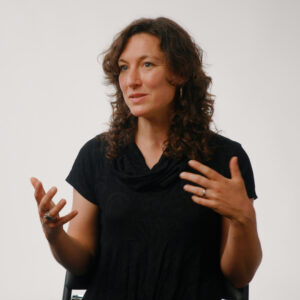
Lillian Fritz-Laylin, Ph.D.
2019 Excellence Awardee
Associate Professor of Biology, University of Massachusetts – Amherst
According to Dr. Lillian Fritz-Laylin, over 99% of organisms in our world are underexplored. She and her lab are evaluating the shapeshifting mechanisms of two specific parasites to find out if existing scientific knowledge applies to these parasites—or if they are governed by a completely different set of rules. “We get to see something that nobody’s ever seen before. It’s intoxicating.”
Understanding the human brain through the neural patterns of fruit flies
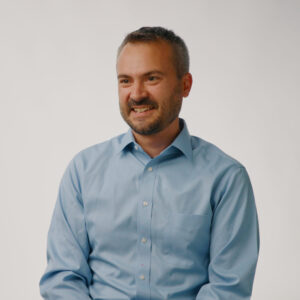
James Jeanne, Ph.D.
2019 Excellence Awardee
Assistant Professor of Neuroscience, Yale University
Dr. James Jeanne believes that the future is bright for people who have lost brain function. His lab is striving to break the “neural code,” making it possible to interface with the brain. And they’re doing it by examining the neural networks of fruit flies.
Smarter Immunotherapy: Targeting Cancer Without Harming the Brain
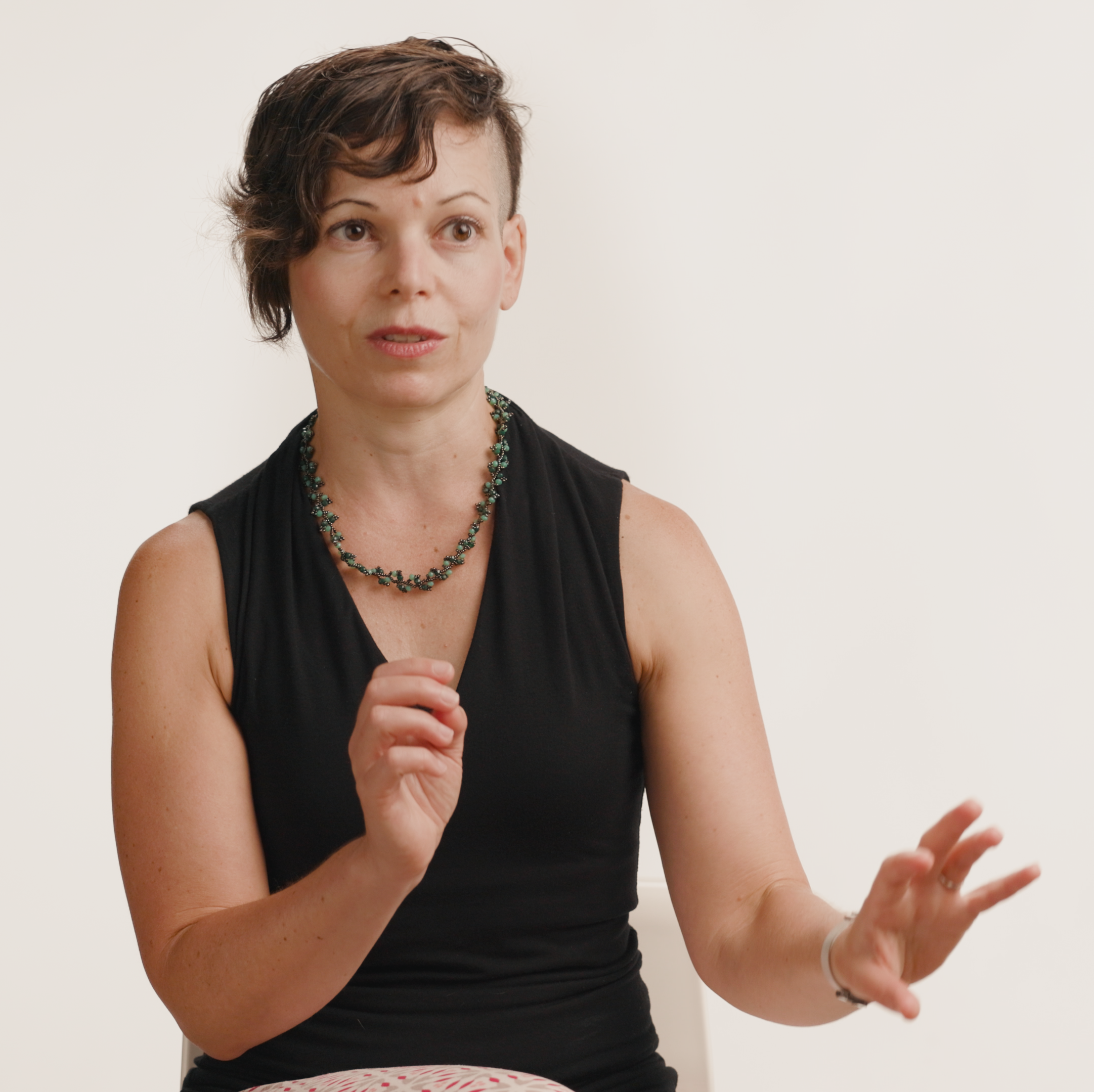
Naama Kanarek, Ph.D.
2022 Excellence Awardee
Assistant Professor of Pathology, Boston Children’s Hospital
Dr. Naama Kanarek investigates how cells adapt to stress—and how cancer cells use this adaptability to survive treatments like immunotherapy. In pediatric leukemia, current therapies can damage healthy brain cells, so her team is working to keep treatments effective while protecting children’s developing brains. By tracking how nutrients move through cells, they aim to weaken cancer cells and strengthen immune cells at the same time.
The science of sight
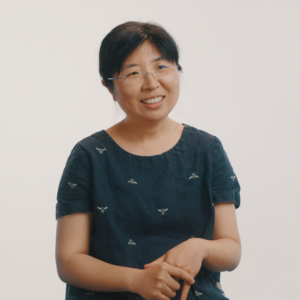
Liang Liang, Ph.D.
2021 Excellence Awardee
Assistant Professor Neuroscience, Yale University
After seeing an optical illusion in high school, Dr. Liang Liang became curious about how the brain processes visual information. “[It] takes multiple stages of visual processing in the brain to gradually combine…simple features into something more complex and meaningful.” Her lab aims to understand visual computation to support the development of treatments for conditions like blindness.
Building the Molecular Tools Behind Tomorrow’s Medicines
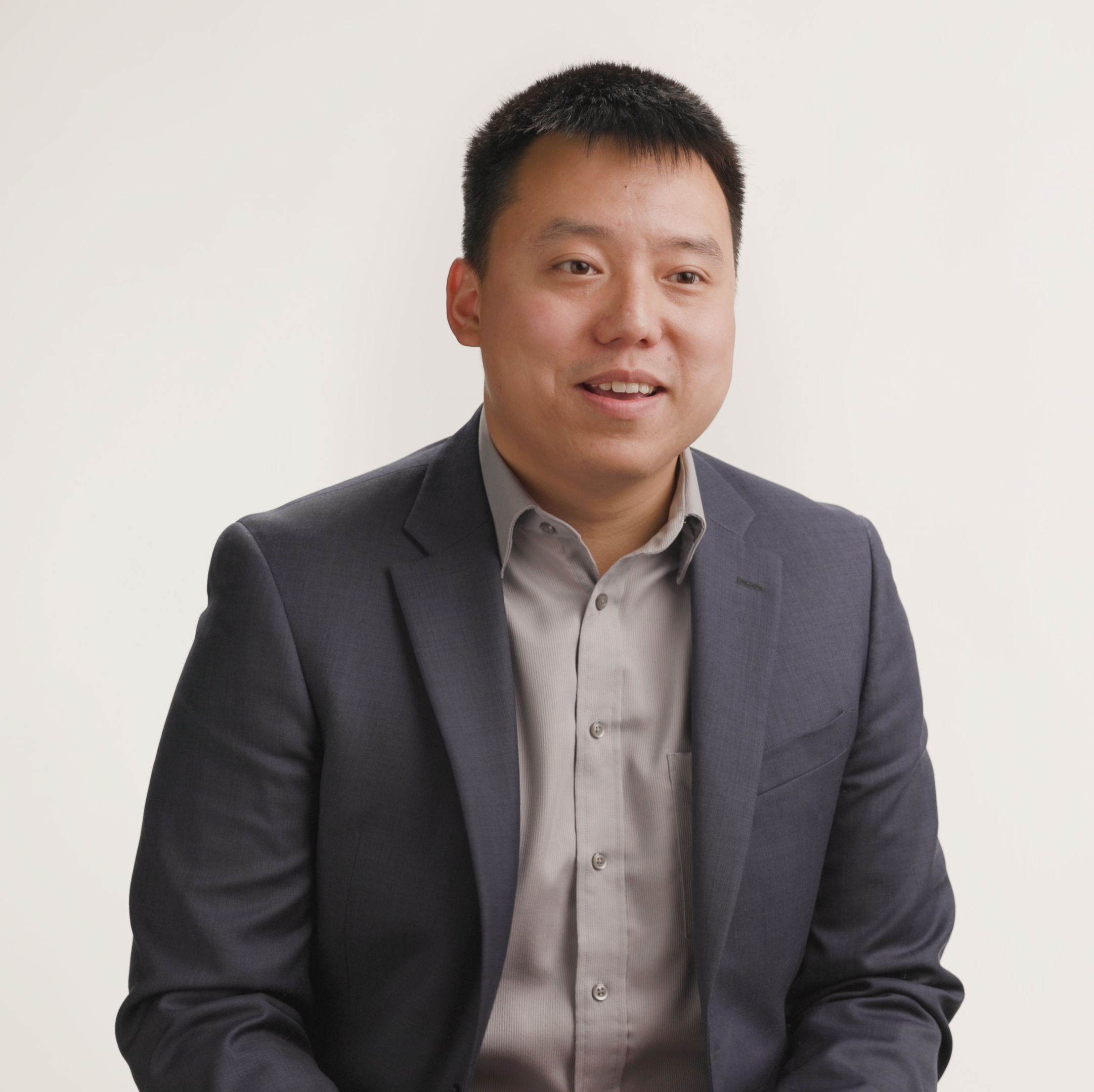
Richard Liu, Ph.D.
2023 Excellence Awardee
Assistant Professor of Chemistry and Chemical Biology, Harvard University
Dr. Richard Liu is a synthetic chemist who designs new chemical reactions—tools that help others create medicines and materials. He sees chemistry as a way to turn ideas into real molecules within days, enabling faster discovery of novel drugs hidden within the vast number of possible compounds. His collaborative group builds the reactions that could one day lead to the next life-saving medication.
Alleviating antifungal resistance to strengthen agricultural resiliency
Sibongile Mafu, Ph.D.
2018 Excellence Awardee
Assistant Professor of Biochemistry and Molecular Biology, University of Massachusetts – Amherst
Fungal diseases are a growing threat to plants, animals, and humans in a myriad of ways. Dr. Sibongile Mafu wants to understand how plants adapt to their changing environments and use that knowledge to ensure the sustainability of our food system. “Understanding that enables us to be able to build more resilient plants that are going to be able to adapt to the different climate changes and other challenges we may be facing.”
Investigating the intricacies of cancer cell division
Amity L. Manning, Ph.D.
2017 Excellence Awardee
Associate Professor, Department of Biology and Biotechnology, Worcester Polytechnic Institute
“There’s still so much we don’t understand about how cells divide,” says Dr. Amity Manning. She and her colleagues are working to understand the details of cell division as well as how this process goes awry. Their findings could inform the development of powerful cancer therapies.
Using microbes to prevent and treat disease
Babak Momeni, Ph.D.
2017 Excellence Awardee
Assistant Professor of Microbial Systems Biology, Boston College
Not all microbes are disease-carrying enemies, according to Dr. Babak Momeni. From bench science to mathematical modeling, his lab is exploring microbial interactions and how they might be useful in the prevention and treatment of antibiotic resistant illnesses.
Determining the trajectory of COVID-19 pathology via nasal swab
José Ordovás-Montañés, Ph.D.
2019 Excellence Awardee
Research Faculty, Division of Gastroenterology,
Boston Children’s Hospital
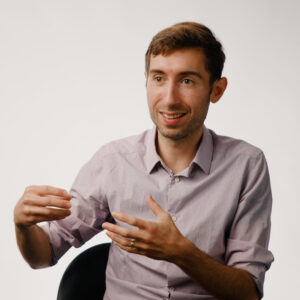
Dr. José Ordovás-Montañés and his colleagues did not know that they would be studying SARS-COV-2 when this work began, as it didn’t yet exist. Their work evolved to study the differences in the nasal cells collected through the nasopharyngeal swabs used to diagnose COVID-19 infections, yielding fascinating results.
Transforming treatment for drug-resistant cancer
Bryan Q. Spring, Ph.D.
2017 Excellence Awardee
Professor of Biomedical Physics, Northeastern University
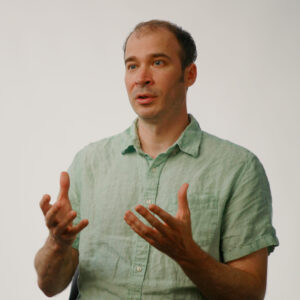
Professor Spring’s calm approach impacts both the energy in his interdisciplinary lab and his vision for the future of oncology.
Addressing allergic disease at the cellular level
Gowthaman Uthaman, PhD
2021 Excellence Awardee
Assistant Professor of Pathology, UMass Chan Medical School
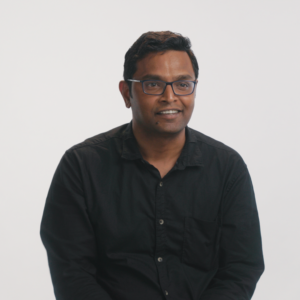
Could the future be one without severe allergic disease? Gowthaman Uthaman thinks so. “Our lab has discovered a cell type that is present in those severe allergic individuals that is not present in the general population,” explains Dr. Uthaman. He and his colleagues were then able to remove those cells in mouse models. Their findings could lead to better treatment and prevention of allergic disease.
Unearthing the secrets of DNA
Seychelle Vos, PhD
2021 Excellence Awardee
Assistant Professor of Biology, Massachusetts Institute of Technology
Howard Hughes Medical Institute Freeman Hrabowki Scholar
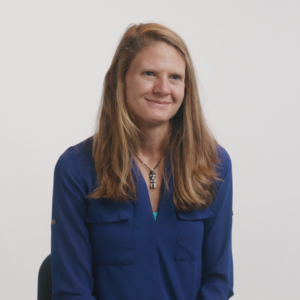
How do all our cells use the same DNA sequence and yet end up so varied? Seychelle Vos and her colleagues are investigating this fundamental question of biology. They hypothesize that understanding how DNA works can lead to the development of targeted therapeutics for developmental disorders and cancers. “There’s so much that we don’t understand,” says Dr. Vos, “and every time we gain a little bit more knowledge, we just realize there’s a lot more out there that we have to learn.”
Why Mosquitoes Smell Us—and How We Can Stop Them
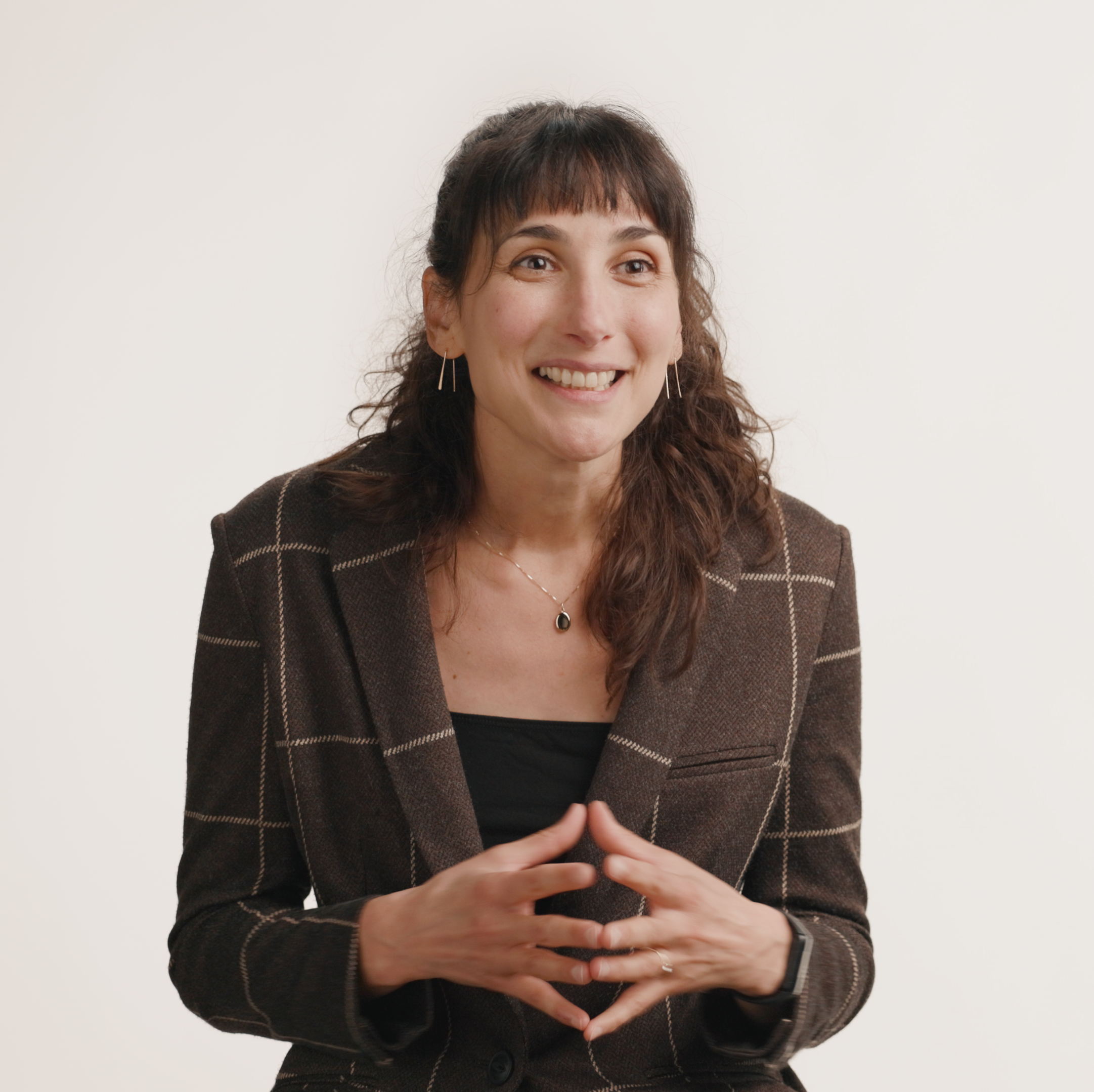
Meg Younger, Ph.D.
2023 Excellence Awardee
Assistant Professor of Biology, Boston University
Dr. Meg Younger explores how mosquitoes use their sense of smell to find people—a behavior that leads to over half a million deaths each year from mosquito-borne diseases. Her lab measures how attractive different people are to mosquitoes and identifies the sweat chemicals responsible. Understanding these cues may allow scientists to disrupt mosquito smell and reduce mosquito-borne disease transmission worldwide.
Odyssey Awardees
Taking control of infectious disease transmission
Lydia Bourouiba, PhD
2018 Odyssey Awardee
Associate Professor, The Fluid Dynamics of Disease Transmission Laboratory, Fluids and Health Network, Massachusetts Institute of Technology
Existing mental models of how pathogens move from host to host while remaining virulent are outdated, according to Lydia Bourouiba. Using an interdisciplinary approach, she and her colleagues seek to shift the paradigm of understanding of the spread of infectious disease. The ultimate goal of their research is to “stop the transmission of infectious diseases and develop tools to tackle the path of transmission from one host to the other.”
Revealing Life’s Molecular Machines, Atom by Atom
Joseph (Joey) Davis, Ph.D.
2023 Odyssey Awardee
Associate Professor of Biology, Massachusetts Institute of Technology
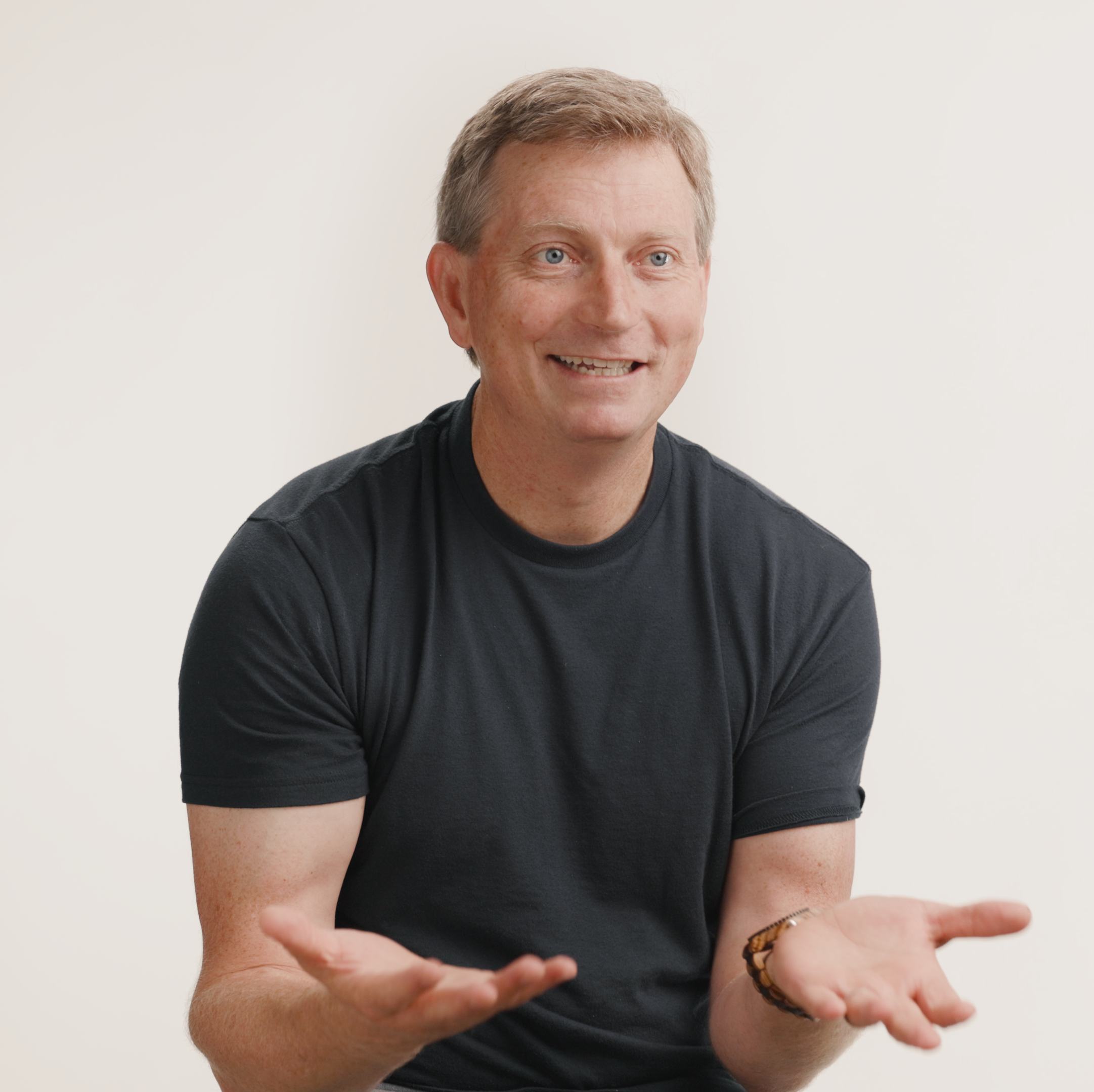
Dr. Joey Davis uses powerful imaging tools, like cryo-electron microscopy, to observe biological molecules down to the level of individual atoms. By visualizing how these tiny cellular machines work, his lab aims to understand how diseases disrupt them and how new medicines might fix those problems. He’s driven by a curiosity to uncover the fundamental rules that make life possible at the molecular scale.
The neuroscience of nurture in mammalian development
Marcelo Dietrich, PhD
2021 Odyssey Awardee
Associate Professor of Comparative Medicine, Yale University
What role does nurture play in early mammalian development? Marcelo Dietrich is investigating the brain mechanisms that connect an infant and their caretaker. “Understanding early life,” says Dr. Dietrich, “can help us understand our own health and the long-term impact that early childhood has on human health.”
Examining the cellular pathways by which zebrafish regenerate after injury
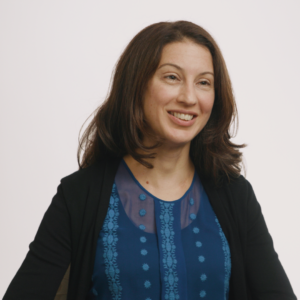
Jenna Galloway, PhD
2021 Odyssey Awardee
Associate Professor of Biology, Massachusetts General Hospital
Why can a zebrafish, an organism with surprising similarities to humans, regenerate to their original form and function after injury, but a human cannot? Jenna Galloway and her colleagues aim to learn how. By identifying the differences in cell types and active pathways between zebrafish and mammals, the Galloway lab’s findings could lead to breakthroughs in orthopedic medicine.
A New Path Toward Treating Intellectual Disability
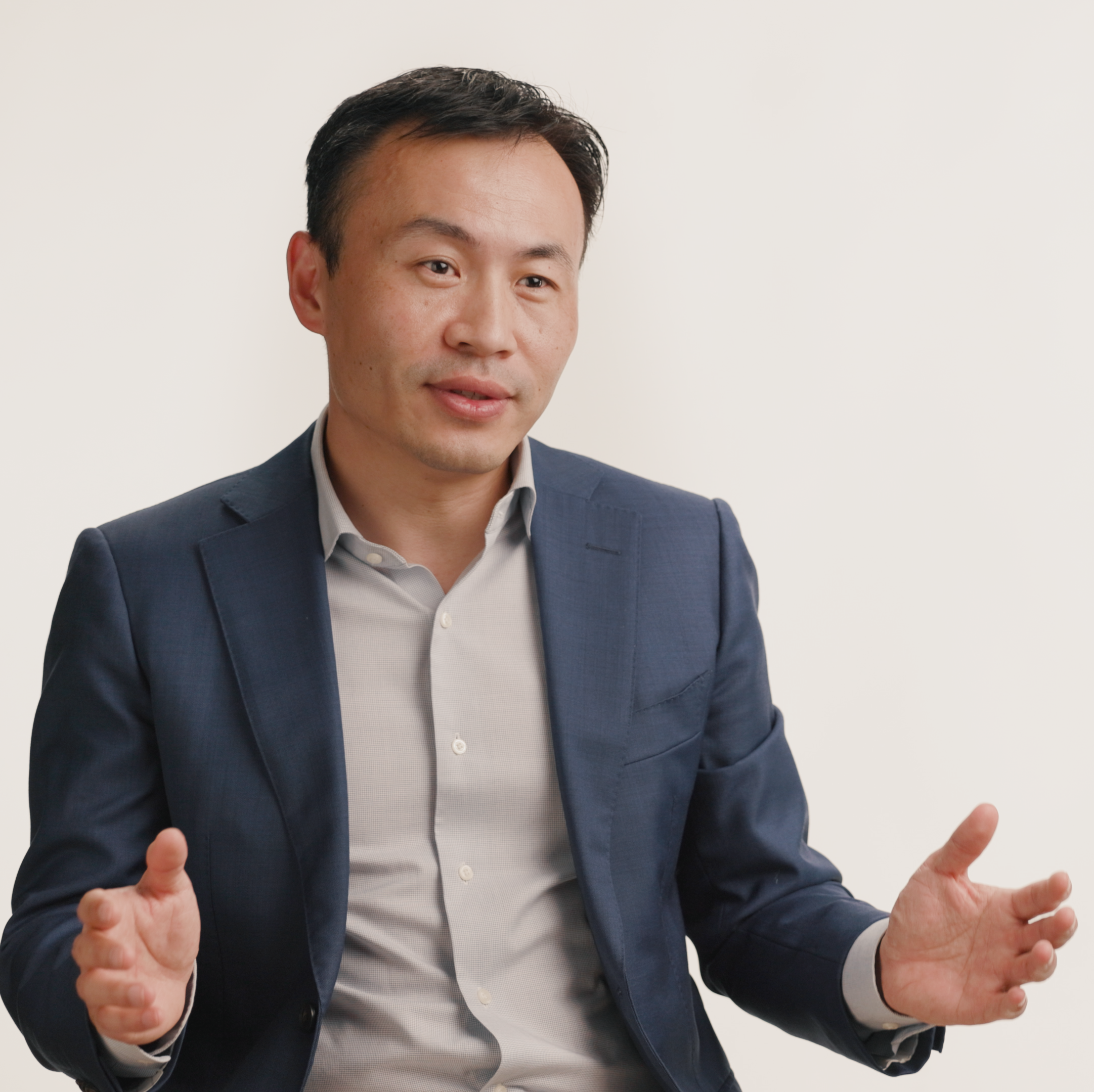
Dong Kong, Ph.D.
2022 Odyssey Awardee
Assistant Professor of Pediatrics, Boston Children’s Hospital
Dr. Dong Kong studies how changes in lipid metabolism in the brain contribute to intellectual disabilities, which affect up to 3% of the global population and currently lack targeted treatments. His lab uncovered a molecular pathway involving the enzyme ACSL4 that helps shape how neurons develop and function. This insight could inform therapies aimed at reversing symptoms in a subset of intellectual disabilities.
Exploring how nature optimizes cellular function
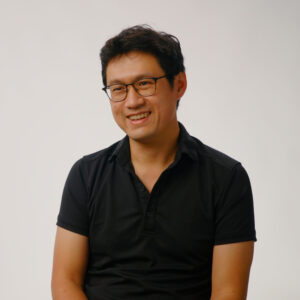
Gene-Wei Li, PhD
2016 Excellence Awardee, 2020 Odyssey Awardee
Associate Professor of Biology, Massachusetts Institute of Technology
“Oftentimes, what makes a cell have a disease is the amount of proteins that are dysregulated,” says Dr. Gene-Wei Li. This is why he and his lab are working to glean information from genomic data to better understand protein production and cellular function.
Alleviating the impact of chronic parasitic infections
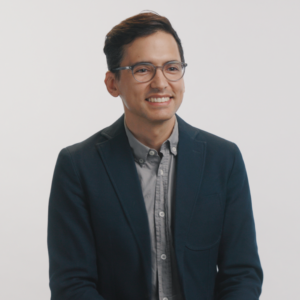
Sebastian Lourido, PhD
2021 Odyssey Awardee
Associate Professor Biology, Whitehead Institute
In Sebastian Lourido’s native Colombia, infectious disease continues to be a major public health burden and barrier to development. By studying the parasite Toxoplasma gondii, Dr. Lourido and his colleagues have identified the process by which a parasitic infection transitions from acute to chronic. The Lourido lab is working to reverse the infection back to the treatable acute state “not only to impact global health, but to understand new fundamental aspects of biology.”
Examining how the brain-gut connection relates to digestive disorders
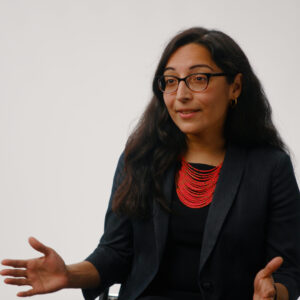
Meenakshi Rao, MD, PhD
2020 Odyssey Awardee
Boston Children’s Hospital
The digestive system has its very own branch of the nervous system. Dr. Meenakshi Rao’s lab aims to expand our understanding of how it works to inform the diagnosis and treatment of digestive disorders. “My hope is that we can build on some of these observations we’re making in the lab and apply them to advancing human health in very tangible ways.”
The science of limb regeneration
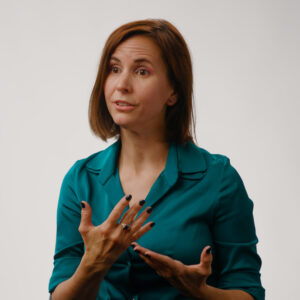
Jessica Whited, PhD
2019 Odyssey Awardee
Assistant Professor of Stem Cell and Regenerative Biology, Harvard University
Over 2 million Americans have undergone limb loss. Nonetheless, prosthetic technology is still too limiting for Dr. Whited’s taste. Her lab’s study of salamanders could lead to the ultimate innovation—full limb regeneration.
Toward Next‑Generation Therapies for Osteoporosis
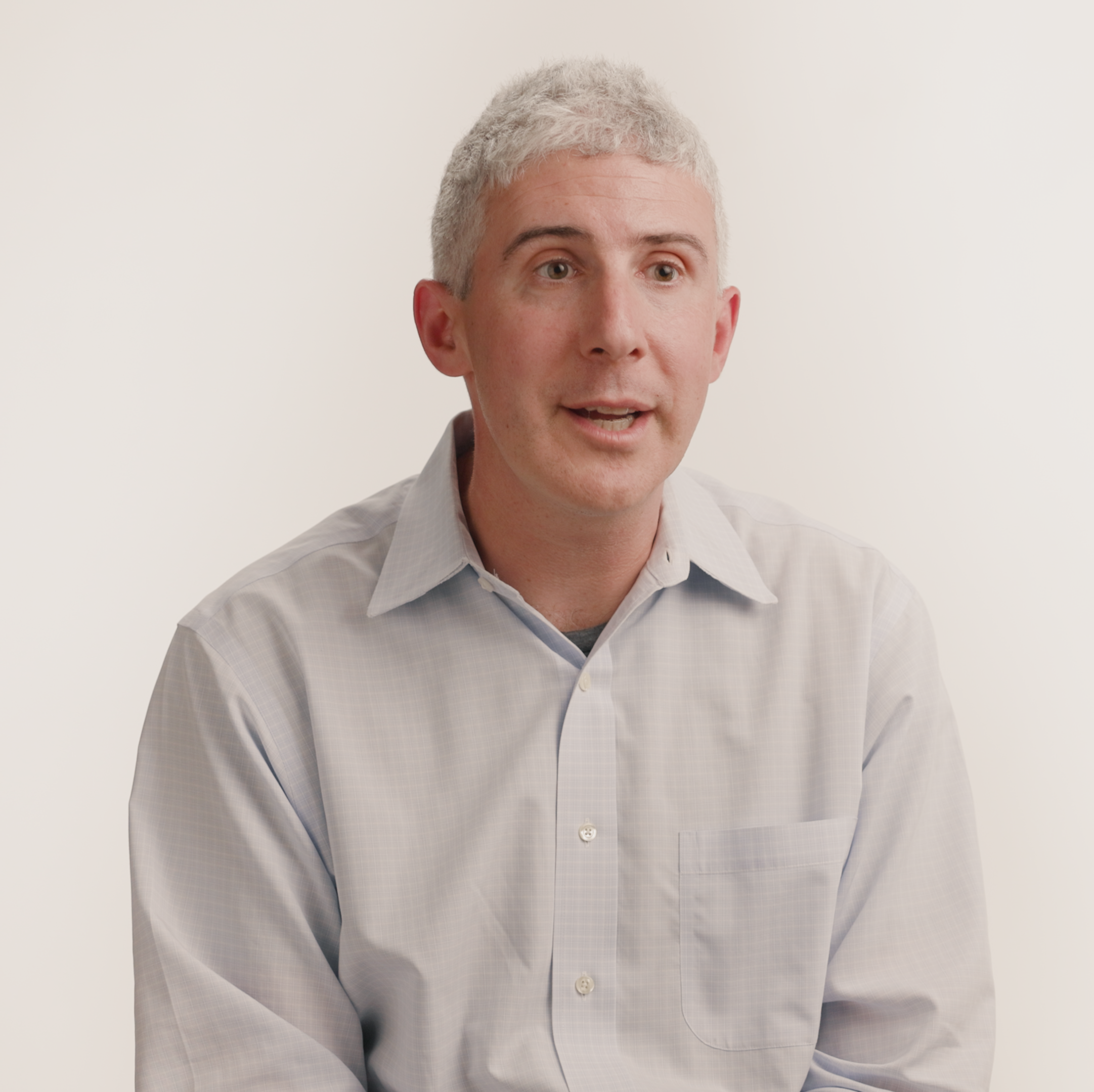
Marc Wein, M.D., Ph.D.
2022 Odyssey Awardee
Associate Professor of Medicine, Massachusetts General Hospital
Dr. Marc Wein studies the bone disease osteoporosis, inspired in part by his grandmother’s fractures and the devastating impact they had on her independence. His research focuses on osteocytes—cells that act as conductors in the constant remodeling of bone—and how aging disrupts their signals. By targeting these cells, he hopes to develop new therapies that strengthen bones and better protect older adults from life-altering fractures.
Researching the rise of allergic and autoimmune disease
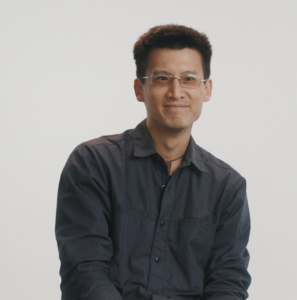
Andrew Wang, MD/PhD, AB
2021 Odyssey Awardee
Associate Professor of Internal Medicine
(Rheumatology, Allergy, and Immunology), Yale University
So many more people experience allergic and autoimmune disease today than in the past, and Andrew Wang and his colleagues want to find out why. The Wang lab is exploring the immune system response to changes in our environment, including sleep, food, and stress. “When we published our acute stress story,” Dr. Wang explains, “a lot of patients felt very validated that what they were experiencing, [that] there was some explanation for it.” The results of this research are likely to introduce new therapeutic possibilities.
Investigating how mechanical forces regulate the function of proteins
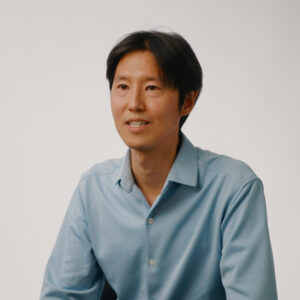
Wesley P. Wong, PhD
2019 Odyssey Awardee
Associate Professor, Harvard Medical School
“My lab develops ways to look at, visualize, and manipulate molecules in order to understand how they work and how they fail with disease,” says Dr. Wesley Wong. Their findings may lead to new treatments for a variety of diseases, including cancer and diabetes.